Hydrofit Products Manufacturer
Contact : +91-79045 61980
Email: hydrofitengineers@gmail.com
Hydraulic Pipes in Chennai
Hydraulic Pipes for Industrial Fluid Power Systems
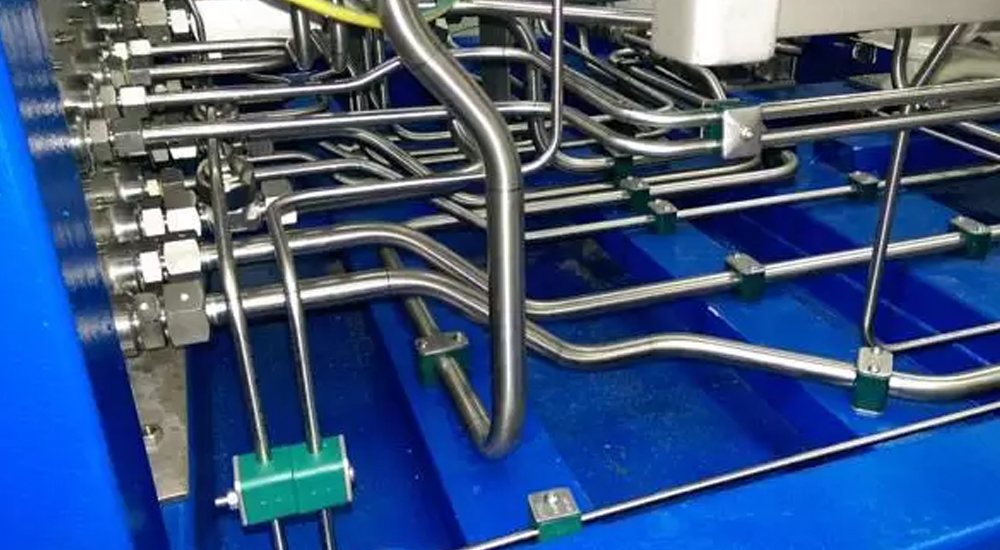
Hydraulic pipes form the rigid fluid carrying path in many industrial hydraulic systems. Once the system is operating, these pipes are expected to carry hydraulic oil safely between pumps, valves, manifolds, cylinders and other equipment while handling pressure variation, machine vibration and temperature changes.
For this reason, selecting Hydraulic Pipes in Chennai should not be treated in the same way as purchasing general purpose piping. The pipe dimensions, material grade, wall thickness, connection method, operating pressure and surface condition all influence how the completed hydraulic line performs.
Hydrofit Engineers supplies hydraulic piping and related fluid power components for industrial requirements in Chennai and across India. For procurement teams, maintenance engineers and machine builders, the important requirement is not simply a pipe that carries oil. It is a pipe that works correctly with the complete hydraulic circuit.
What Makes a Pipe Suitable for a Hydraulic System?
Pressure is only one part of the selection process. Hydraulic pipelines are also exposed to pressure cycles, fluid temperature, mechanical stress and vibration generated by pumps and operating machinery.
A suitable hydraulic pipe therefore needs to be evaluated for its material, dimensions, wall thickness, joining method and compatibility with the hydraulic fluid.
In a fixed hydraulic circuit, rigid piping can provide stable routing and good mechanical support. However, poor pipe selection or incorrect installation can transfer unnecessary load into threaded joints, flanges and other connection points.
This is why experienced engineers normally consider the pipe, fittings, clamps and equipment ports as one system rather than selecting each item independently.
Hydraulic Pipes and Hydraulic Tubes Are Not Always the Same
The terms hydraulic pipes and hydraulic tubes are frequently used interchangeably in purchase enquiries. From a technical point of view, the dimensions are normally specified differently.
Hydraulic tubing is commonly selected using outside diameter and wall thickness. Pipe specifications generally follow nominal pipe sizing conventions.
This distinction becomes important when selecting connections. A precision ferrule fitting designed for a specific tube outside diameter cannot be selected merely by comparing it with the approximate diameter of a hydraulic pipe.
For applications based on precision tube connections, Hydrofit also supplies Hydraulic Seamless Tubes manufactured for hydraulic and engineering applications.
Before substituting a tube with a pipe, or a pipe with a tube, the original machine specification and connection method should therefore be checked.
Why Seamless Pipes Are Considered for Pressure Applications
A seamless pipe is produced without a longitudinal welded seam. For pressure carrying applications, this provides a continuous pipe structure without a welded joint running along its length.
However, the word seamless alone does not confirm that a product is suitable for a particular hydraulic system.
The engineer still needs to verify material grade, wall thickness, dimensions, surface condition, working pressure and the method used to connect the pipe to the hydraulic components.
This is particularly important when buyers search for hydraulic seamless pipes or seamless hydraulic pipes in India. Two products may both be seamless but may have different dimensions, grades and intended service conditions.
Pipe Size and Wall Thickness Need to Be Selected Together
Ordering hydraulic pipe only by outside diameter or nominal size leaves out important information.
Wall thickness affects the mechanical characteristics of the pipe and must be considered together with the material and system pressure. The required flow rate also influences pipe sizing because an unnecessarily small internal diameter can increase fluid velocity and pressure loss.
A useful hydraulic pipe enquiry should normally specify:
- Required pipe size
- Wall thickness
- Material grade
- Applicable standard
- Required length
- Surface condition
- Operating pressure
- Hydraulic fluid
- Connection type
For replacement work, using the existing pipe as a visual reference is not enough. The original equipment documentation or actual dimensional measurements should be checked before ordering the replacement.
BSP Connections in Hydraulic Pipe Systems
Rigid hydraulic pipework often needs threaded connections at pumps, valves, manifolds and other components. BSP threads are commonly used for these connections in industrial hydraulic systems.
Hydrofit Engineers supplies Hydraulic Pipe Fittings BSP Thread for joining hydraulic components through threaded connections.
BSP hydraulic fittings should not be confused with DIN ferrule fittings. Ferrule fittings are primarily used to connect precision hydraulic tubes, whereas BSP fittings are used for threaded connections between hydraulic components and adapters.
Both connection methods may be present within the same machine, but each should be selected according to its intended function.
Material Selection for Hydraulic Pipes
Material selection should follow the working environment rather than price alone.
Carbon Steel Hydraulic Pipes
Carbon steel is widely used in industrial hydraulic systems because it offers good mechanical strength and is commercially practical for many pressure applications.
The actual grade and wall thickness should still be selected according to the machine specification and operating requirement.
Stainless Steel Hydraulic Pipes
Stainless steel may be preferred where the line is exposed to moisture, chemicals, corrosive fluids or aggressive industrial environments.
Material compatibility should be checked with the hydraulic fluid as well as with the fittings, valves and other components in the line.
Using stainless steel simply because it offers greater corrosion resistance is not a substitute for correct engineering selection.
Pipe Routing Has a Direct Effect on Reliability
A hydraulic pipe should follow a clean route between connection points without being forced into position.
If installers use fittings or bolts to pull a misaligned pipe into place, mechanical stress remains in the system after installation. Once the machine starts operating, pressure cycling and vibration repeatedly act on the stressed connection.
This can lead to leakage at threaded joints, fatigue around bends or premature fitting failure.
Good pipe routing should consider accessibility, support positions, equipment movement and maintenance requirements before installation begins.
Why Proper Hydraulic Pipe Clamping Matters
Long rigid pipe sections should be supported properly. Unsupported lines can move as the hydraulic system experiences pump pulsation, pressure variation and machine vibration.
The pipe may not visibly move very far, but repeated movement over thousands of operating cycles can transfer stress into threaded connections, bends and equipment ports.
Correctly positioned Hydraulic Pipe Tube Clamps help control movement, maintain alignment and organise hydraulic piping throughout the machine.
Clamp size, material, spacing and mounting arrangement should be selected according to the pipe dimensions and installation condition.
Rigid Hydraulic Pipes and Flexible Hydraulic Hoses Serve Different Purposes
A hydraulic system usually does not need to choose between rigid piping and flexible hose throughout the complete circuit.
Rigid hydraulic pipes are useful across fixed sections where stable routing is required. Flexible hoses are better suited to connections where machine components move, vibration isolation is necessary or rigid routing is impractical.
Many industrial systems therefore use rigid pipework around the hydraulic power unit and valve assemblies, then transition to flexible hose closer to moving cylinders or equipment.
Hydrofit’s Hydraulic Hoses range supports these flexible sections of the hydraulic system.
Replacing a rigid pipe with flexible hose simply because it is easier to install may change the behaviour of the hydraulic line. The original system design should always be considered first.
Pressure Loss Is Not Only a Pump Problem
When a machine responds slowly, attention often goes immediately to the hydraulic pump. But pressure and flow performance can also be affected by the piping layout.
Undersized pipe, unnecessary bends, poorly selected fittings or restrictions within the line can increase resistance to fluid flow.
A good hydraulic pipe installation aims to provide the required flow with suitable velocity while keeping unnecessary restrictions to a minimum.
This does not mean that the largest available pipe is automatically the best solution. Oversized piping adds material, weight and installation cost. The pipe size should correspond to flow requirements and system design.
Hydraulic Pipe Connections Need Correct Fitting Selection
A pipe is only one part of the pressure line. The reliability of the complete installation depends equally on the connection at each end.
Hydrofit Engineers offers a wider range of Hydraulic Fittings including BSP pipe fittings, ferrule fittings, JIC fittings, ORFS fittings, stainless steel hydraulic fittings and hose fittings for different fluid power requirements.
When selecting a connection, engineers should verify the thread type, sealing method, pressure requirement, material and port specification rather than selecting the fitting only by size.
Common Mistakes When Purchasing Hydraulic Pipes
Many installation problems begin at the purchasing stage because the enquiry does not contain enough technical information.
Common mistakes include ordering by diameter alone, assuming that every seamless pipe is suitable for hydraulic pressure, ignoring wall thickness, mixing tube and pipe sizing systems or selecting the connection before confirming the equipment port.
Another common issue is changing the material or dimensions of an existing pipe because an alternative is immediately available. Replacement components should match the engineering requirement of the machine, not simply the nearest available size.
Where Hydraulic Pipes Are Used
Hydraulic pipes are used in fixed fluid power circuits across many industrial applications, including:
- Hydraulic power units
- Industrial presses
- Steel processing equipment
- Machine tools
- Construction machinery
- Material handling equipment
- Automotive production machinery
- Injection moulding equipment
- Marine hydraulic systems
- General manufacturing machinery
The exact pipe specification depends on the working pressure, required flow, equipment layout, material requirements and connection system.
What Buyers Should Include in a Hydraulic Pipe RFQ
A technical RFQ helps both the buyer and supplier avoid unnecessary clarification and incorrect material supply.
Before requesting a quotation, procurement teams should provide the pipe size, wall thickness, grade, length, required quantity and applicable standard wherever known.
If the pipe needs cutting, bending or specific surface treatment, those requirements should also be mentioned.
For replacement projects where drawings are unavailable, providing an existing sample or clear dimensional information can help identify the correct requirement.
Hydraulic Pipes Supplier in Chennai and India
Hydrofit Engineers supplies Hydraulic Pipes in Chennai and related fluid power products for industrial hydraulic systems.
For companies searching for a Hydraulic Pipes supplier in Chennai, local availability can reduce procurement time, but the technical specification should remain the main basis of selection.
Hydrofit Engineers also supports PAN India industrial requirements for Hydraulic Pipes supplier in India, hydraulic tubes, seamless tubes, hydraulic fittings, hoses and pipe support components.
For new installations and replacement requirements, discussing the pipe together with its fittings and supports can help avoid compatibility problems during assembly.
Frequently Asked Questions About Hydraulic Pipes
What are hydraulic pipes used for?
Hydraulic pipes carry pressurised hydraulic fluid through fixed sections of a fluid power system. They can connect pumps, valves, manifolds, actuators and other hydraulic equipment depending on the system design.
What is the difference between hydraulic pipes and hydraulic tubes?
Hydraulic tubes are normally specified using outside diameter and wall thickness, while pipes usually follow nominal pipe sizing. The connection method and dimensional standard should be confirmed before selecting either product.
Are seamless pipes better for hydraulic applications?
Seamless construction removes the longitudinal welded seam, making seamless products suitable for many pressure applications. However, suitability still depends on material grade, dimensions, wall thickness, pressure requirement and applicable standard.
Can hydraulic pipes use BSP fittings?
Yes. BSP threaded fittings are commonly used to connect pumps, valves, manifolds, hoses and adapters in industrial hydraulic systems. The exact fitting must match the equipment thread and pressure requirement.
Can hydraulic pipes and hoses be used in the same system?
Yes. Many machines use rigid hydraulic piping through fixed sections of the circuit and flexible hydraulic hoses where movement or flexible routing is required.
What details should be provided when ordering hydraulic pipes?
Buyers should provide the pipe size, wall thickness, material grade, standard, length, quantity, operating requirement and connection details wherever possible.
Reliable Hydraulic Piping Starts With Correct Selection
Hydraulic pipe performance cannot be separated from the rest of the fluid power system. Pipe dimensions, material, wall thickness, fittings, routing and support arrangement all influence the reliability of the completed pressure line.
For industries looking for Hydraulic Pipes in Chennai, Hydraulic Pipes manufacturer in Chennai or a Hydraulic Pipes supplier in India, purchasing only by pipe size can create problems during installation and operation.
Hydrofit Engineers supports hydraulic piping requirements together with seamless tubes, hydraulic fittings, hoses and clamps so that industrial fluid power connections can be selected as a complete system.
Hydraulic Products
- Hydraulic Fittings
- Quick Release Couplings
- Stucchi Quick Release Couplings
- Holmbury Quick Release Couplings
- Faster Quick Release Couplings
- Hydraulic Quick Release Couplings
- Pneumatic Quick Release Couplings
- Dry Quick Disconnect Couplings
- Double Check Valve Quick Release Couplings
- Quick Release Couplings for Agriculture
- Quick Release Couplings for Water
- Quick Release Couplings for Gas Applications
- Single Check Valve Quick Release Coupling
- Hydraulic Tube & Pipes
- Hydraulic Hose Assembly
- Hydraulic Hoses
- High Pressure Valves
- Hydraulic Pumps
- Hydraulic Tube & Pipe Clamps
- Hydraulic Flanges
- Hydraulic Accessories
- Hydraulic Valves
- Hydraulic Motor