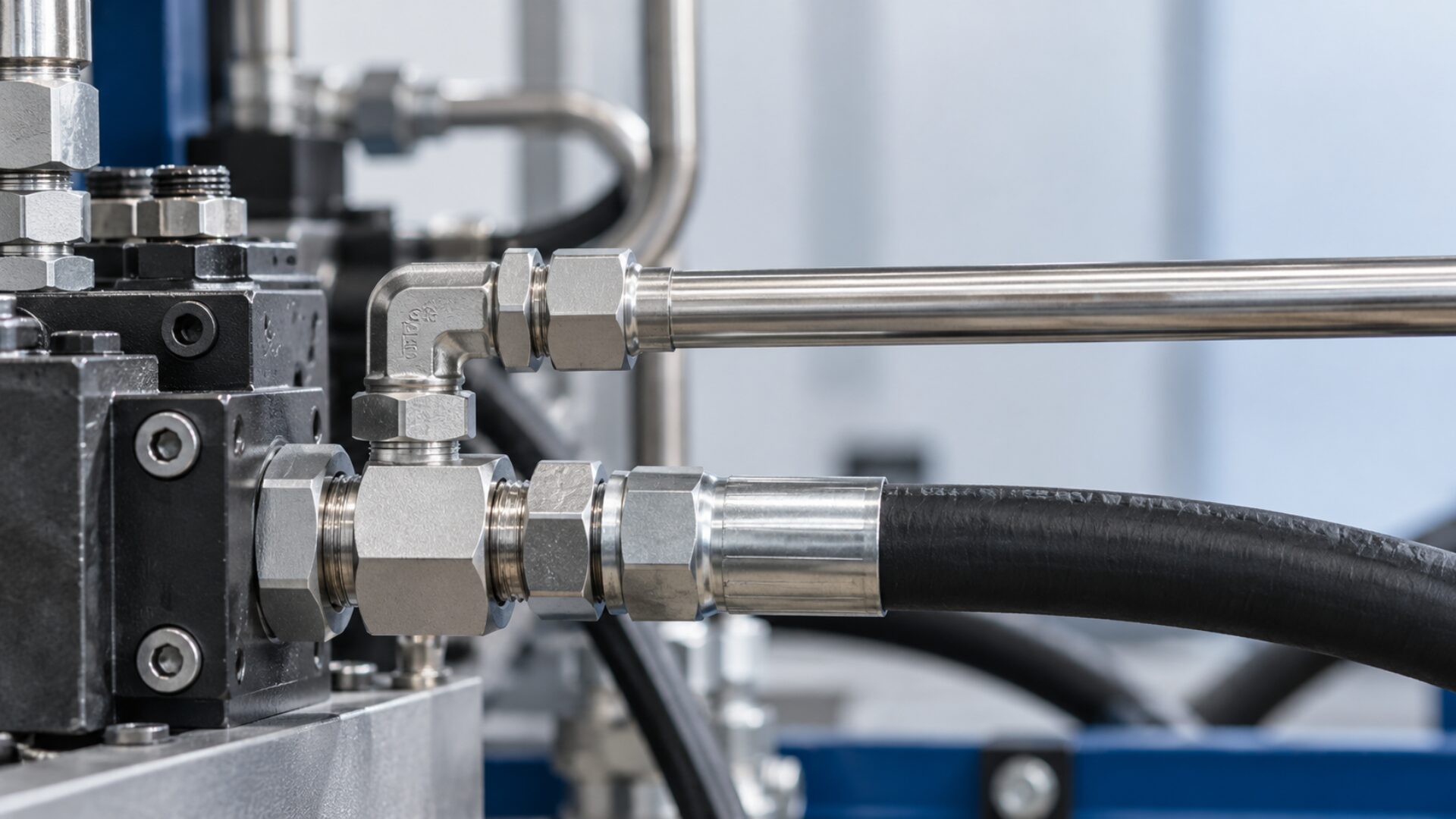
Hydraulic fittings, tubes, and hoses come together to form a vital system in machines. Seamless tubes help your lines keep their shape and pressure, while flexible hoses deal with vibration. It’s crucial to pick the right fittings for either rigid or flexible connections; a poor choice can lead to leaks and failures. This could mean costly downtime or damage. By understanding each component’s role, you can build a dependable hydraulic setup.
Hydraulic Fittings: What Each Line in the System Does
A hydraulic system has different components that serve unique purposes. Use hydraulic seamless tubes for fixed runs where alignment is essential. They maintain their shape and allow consistent pressure and flow. When facing issues of vibration or movement, go for hydraulic hoses. These flexible connections are better at handling machine travel and lower the risk of cracks.
Fittings aren’t just generic connectors; each type—tube fittings, hose fittings, flanges, and adaptors—has its own specific function. Choose carefully to prevent leaks or failures.
Where Hydrofit’s Hydraulic Fittings Fit the Job
Hydrofit offers a solid range of products suitable for various needs. For rigid tube runs, check out DIN 2353 bite-type tube fittings. These connect seamlessly with DIN 2391 hydraulic seamless tubes, which carry pressure effectively. For situations involving movement, SS corrugated flexible hose assemblies are essential for managing vibration.
You’ll find higher-integrity connections in SAE flanges, weldable adaptors, and tube clamps. These options ensure safe installation even in demanding environments.
Compatibility Checks That Prevent Leaks and Downtime
You need to check compatibility to avoid issues. Match fitting types to tube standards and end forms: flare, bite, form, flange, or weldable styles. Ensure hose fittings correspond with hose construction and pressure ratings; they’re not interchangeable with tube fittings.
Select either SS or CS based on your media’s requirements and environmental risks. Before you place an order, confirm sizing in metric or inch dimensions to dodge costly mistakes.
Next Steps in Your Hydraulic System Planning
Evaluate your current setup while considering your specific needs. Think about how the type of fittings, tubes, or hoses affects maintenance and leak risks. Seek expert advice if you’re unsure which materials are best for your application.
Common Questions
Are tube fittings and hose fittings interchangeable?
No; tube fittings match specific tube standards and end forms. Hose fittings must correspond with the hose construction and pressure rating. Using the wrong type increases the risk of leaks and failures.
When should I use a rigid tube instead of a hydraulic hose?
Use rigid tubes for fixed, well-aligned runs. Go for hoses when vibration, movement, or machine travel is expected. Their flexibility reduces stress on the system, boosting overall reliability.
Why does SS vs CS matter in Hydraulic Fittings?
Material impacts corrosion resistance, durability, and suitability for different applications. Hydrofit offers both SS and CS options; choose based on your duty requirements and environment. The wrong material can shorten service life and increase maintenance costs.